
The Art of Food and Beverage Photography with 15 Creative Tips

Food and beverage photography involves capturing visually enticing and appetizing images of dishes, drinks, and culinary creations. It requires a blend of artistic creativity, technical skills, and an understanding of how to showcase the textures, colors, and details that make food and drinks appealing to the viewer.
Crafting The Artistry of Food and Beverage Photography” encapsulates the process of creating visually appealing and captivating images that showcase the aesthetic and sensory qualities of culinary delights. This title suggests that food and beverage photography involves a combination of skillful composition, thoughtful styling, and an artistic approach to capturing the essence, textures, colors, and stories behind dishes and drinks.
If you are looking for exciting ideas for creating advertising photos, be sure to visit the portfolio page of Studio NextShot.
Crafting The Artistry of Food and Beverage Photography
In essence, this phrase emphasizes the idea that food and beverage photography is not just about capturing what’s on the plate or in the glass, but about transforming ingredients and flavors into visual masterpieces. It implies an approach that blends the art of photography with the art of culinary presentation, resulting in images that stimulate the appetite, evoke emotions, and convey the craftsmanship of those who prepare and present the dishes and beverages. The title suggests that this type of photography requires creativity, attention to detail, and a deep understanding of how to translate the nuances of food and drinks into images that engage and inspire viewers.
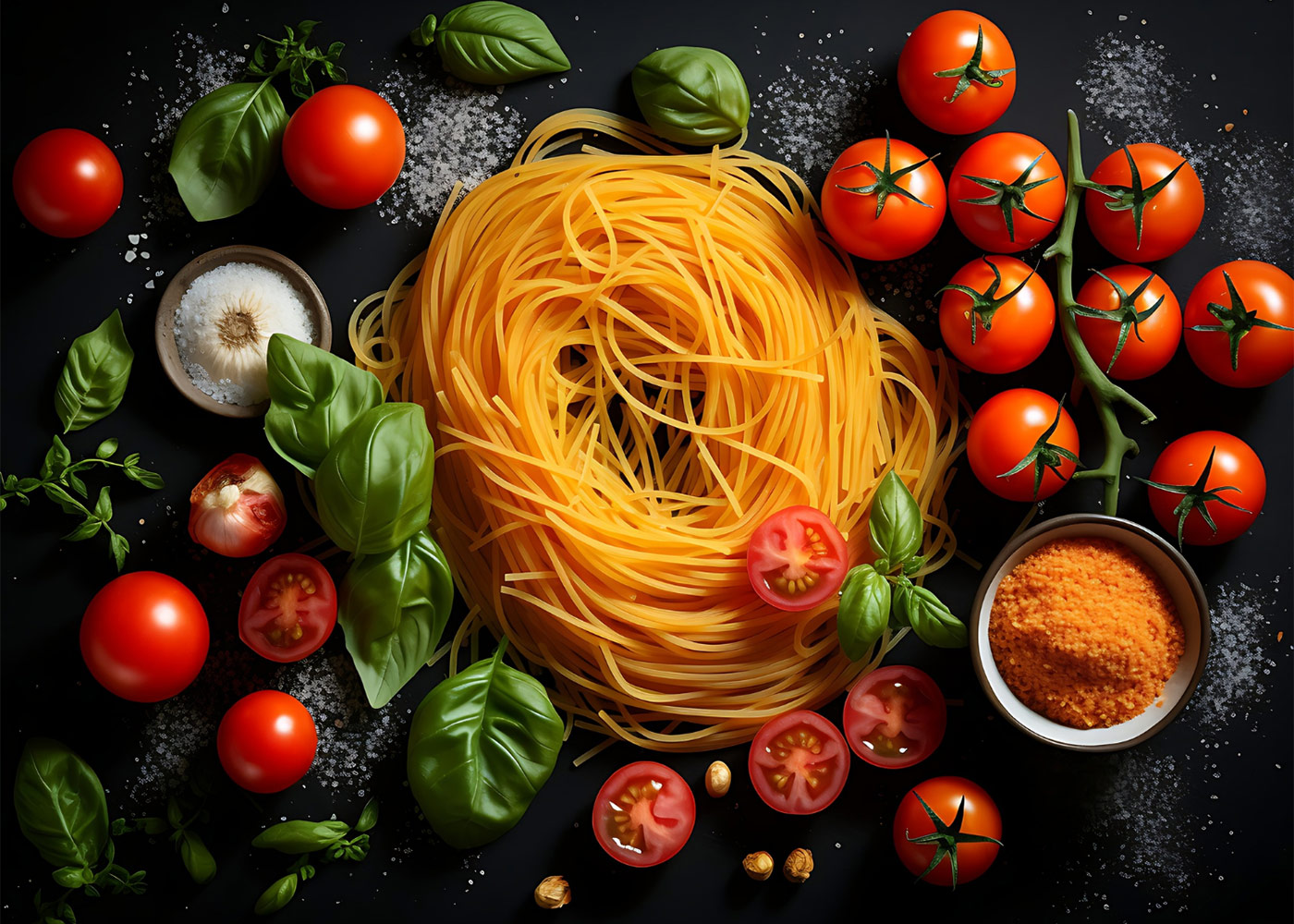
Food and beverage photography
Food and beverage photography is a specialized genre that goes beyond mere documentation—it’s about creating images that awaken the senses and stir up emotions. Whether you’re aiming to showcase the artistry of a gourmet dish or the refreshing allure of a well-crafted cocktail, there are numerous techniques and considerations that can elevate your food and beverage photography to a whole new level of creativity and appeal:
Texture Emphasis: Capturing the textures of food and beverages is essential in making them look tantalizing. Crispy edges, creamy centers, frothy tops, and glistening condensation on a glass—these details invite viewers to imagine the taste and mouthfeel.
Macro Shots: Zooming in on the tiniest details can create a larger-than-life impact. Capture the delicate veins of a herb leaf, the bubbles in a freshly poured drink, or the intricate layers of a pastry.
Ingredient Story: Incorporate shots of individual ingredients to showcase the freshness and authenticity of the dish. This approach offers a behind-the-scenes glimpse into the culinary process.
Cultural Context: Consider the cultural significance of the food and beverages you’re photographing. Including contextual elements, such as traditional utensils or iconic ingredients, can add depth to your images.
Pairing and Plating: Showcase how different food items complement each other by capturing pairings. Artful plating techniques can transform a dish into an exquisite visual masterpiece.
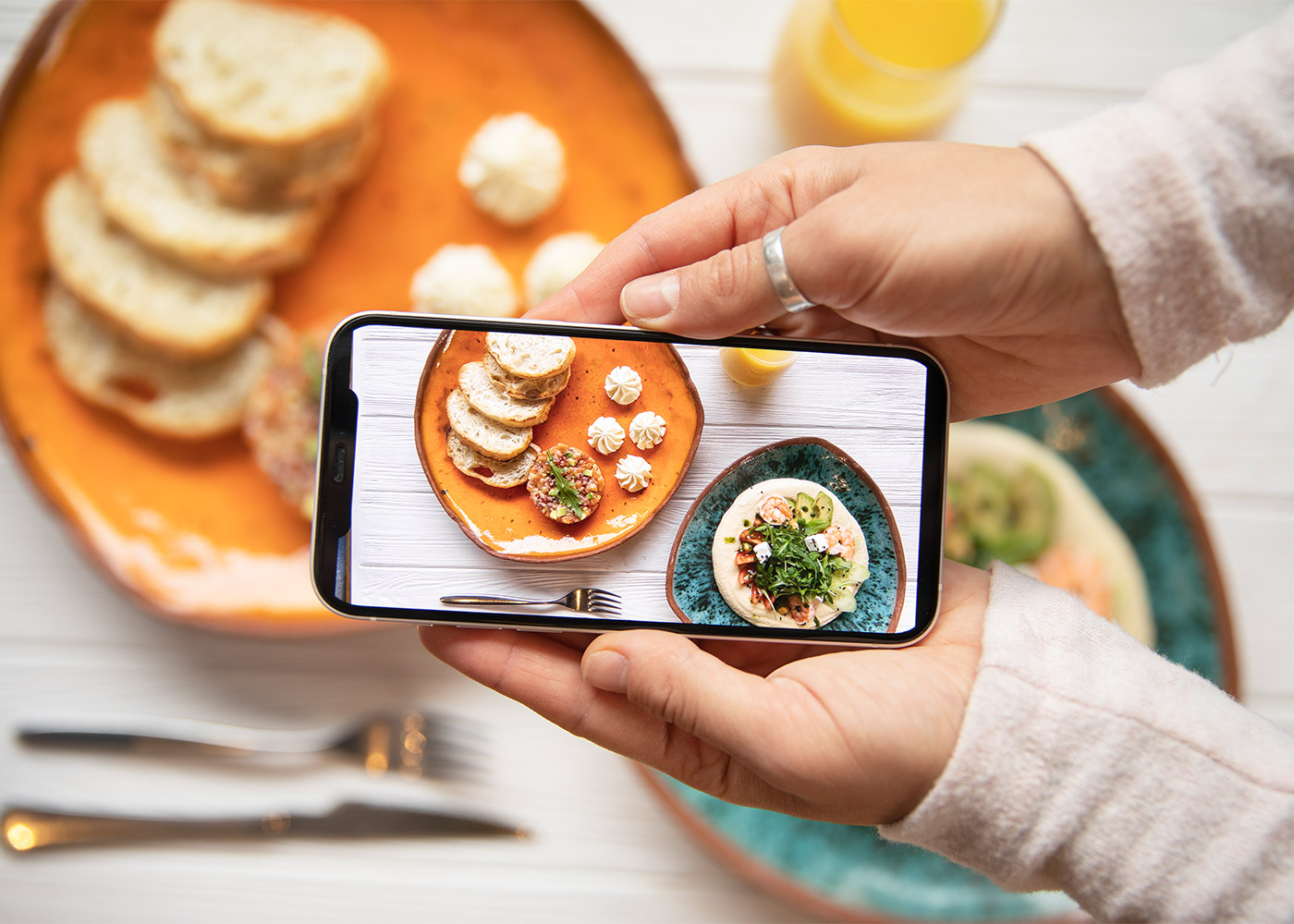
Action Shots: Capture dynamic moments that involve interaction with the food or beverages. Pouring liquid, sprinkling seasoning, or cutting into a dish can all add a sense of movement and authenticity.
Atmosphere: Set the scene by integrating a fitting environment. A cozy cafe setting, a vibrant market stall, or an elegant dining table can provide context and enhance the mood of your images.
Color Palette: Consider the color palette of your composition. Harmonious color choices can create a visually pleasing and appetizing effect.
Creative Props: Incorporating relevant props can enhance the story and atmosphere of your images. Vintage utensils, rustic tableware, or thematic accessories can elevate the visual appeal.
Storytelling Collages: Create collages that illustrate the journey of a dish from raw ingredients to the final presentation. This approach can engage viewers by conveying the process and effort behind the culinary creation.
Interactive Formats: Experiment with interactive formats such as stop-motion animations or GIFs to add an element of fun and engage your audience in a dynamic way.
Editing Styles: Develop your own editing style that enhances the unique qualities of your subject matter. Subtle color adjustments, contrast tweaks, and targeted enhancements can help bring out the best in your food and beverage images.
Seasonal Themes: Embrace the changing seasons and festivities by adapting your photography to reflect the time of year. From warm autumnal tones to fresh spring palettes, aligning with the seasons can resonate with viewers.
Unconventional Angles: Break away from conventional angles to add a sense of intrigue. Experiment with shooting from below, from the side, or even through objects for a more immersive experience.
Narrative Series: Develop a series of images that tell a story around a theme, ingredient, or culinary concept. This approach allows for deeper exploration and connection with your subject matter.
Food and beverage photography is not only about creating visually stunning images; it’s about conveying the essence, culture, and artistry of culinary creations. By blending your technical skills with creative insights, you can bring out the best in each dish and drink, enticing viewers to appreciate and savor every aspect of your photography.
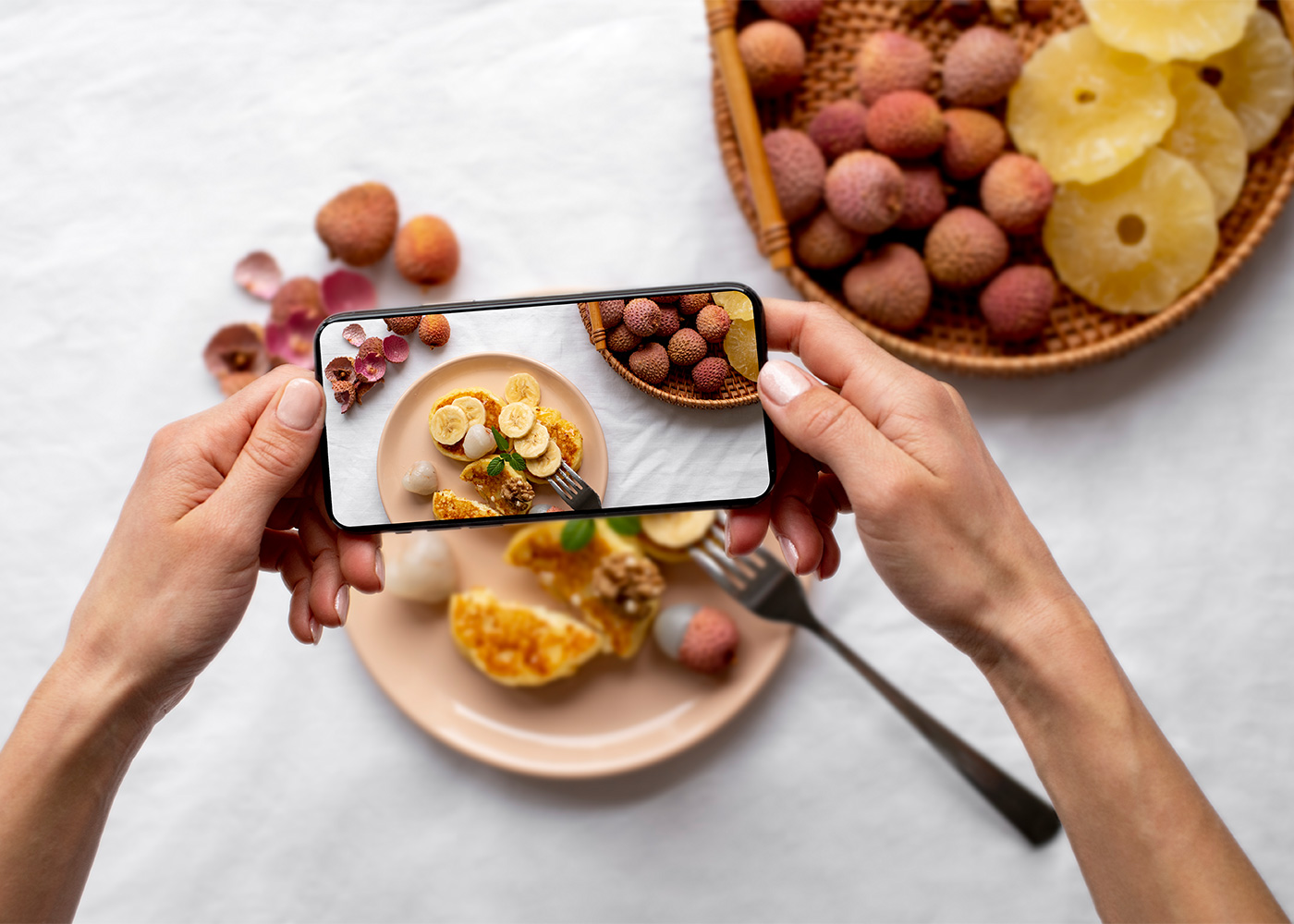
Advantages of Food and beverage photography in Advertising
Food photography in advertising offers a range of advantages that significantly enhance promotional efforts. Visually appealing images instantly capture attention, create a memorable first impression, and evoke a desire for the showcased food. These photographs convey branding, tell stories, and present specialties, effectively engaging customers on multiple levels. Through social media sharing, cross-promotions, and online presence, these images amplify brand visibility. They contribute to customer trust, emotional connection, and differentiation within a competitive market. Ultimately, well-executed food photography drives sales by influencing purchasing decisions and enticing customers to experience the culinary offerings firsthand.
Suitable equipment for Food and beverage photography
To excel in food photography, having the appropriate equipment is essential. A DSLR or mirrorless camera with manual settings, paired with prime and macro lenses, provides control and detail. A sturdy tripod and remote shutter release minimize camera shake. Reflectors and diffusers shape lighting, and lighting equipment like LEDs or flashes offers versatility. Different backdrops and surfaces, along with carefully chosen props, enhance compositions. Editing software ensures precise adjustments and cleaning supplies maintain professionalism. A tabletop studio setup can be beneficial for controlled environments. As smartphone cameras advance, accessories like clip-on lenses and mini tripods expand your options. Ultimately, the right equipment complements your style, budget, and aspirations in food photography.
Decorations and Backgrounds in Food and beverage photography
Decor and accessories hold significance in food photography, enhancing both visual appeal and storytelling. From utensils and tableware to garnishes and culinary tools, these elements contribute to the composition’s mood and narrative. They add authenticity, context, and layers to the scene, conveying the ambiance and essence of the dish. Carefully chosen decor and accessories also complement the color palette and textures, providing a cohesive and visually pleasing composition. Ultimately, these details transform food photography into a rich and immersive experience that resonates with viewers’ senses and emotions.
Final words about Food and beverage photography
Food photography is a multifaceted art that blends culinary expertise, photography skills, and creative vision. It goes beyond capturing meals; it’s about conveying the essence, flavors, and stories behind each dish. From understanding lighting and composition to utilizing props and decor, mastering food photography requires a holistic approach. It’s a journey that allows you to explore cultures, evoke emotions, and showcase the artistry of culinary creations. By combining technical prowess with artistic flair, you can create images that tantalize the taste buds, tell stories, and inspire a deeper appreciation for the world of cuisine. Whether you’re a professional photographer, a passionate foodie, or simply someone who loves to capture the beauty of food, remember that food photography is a captivating way to share the magic of flavors with the world.

Comments are closed.